
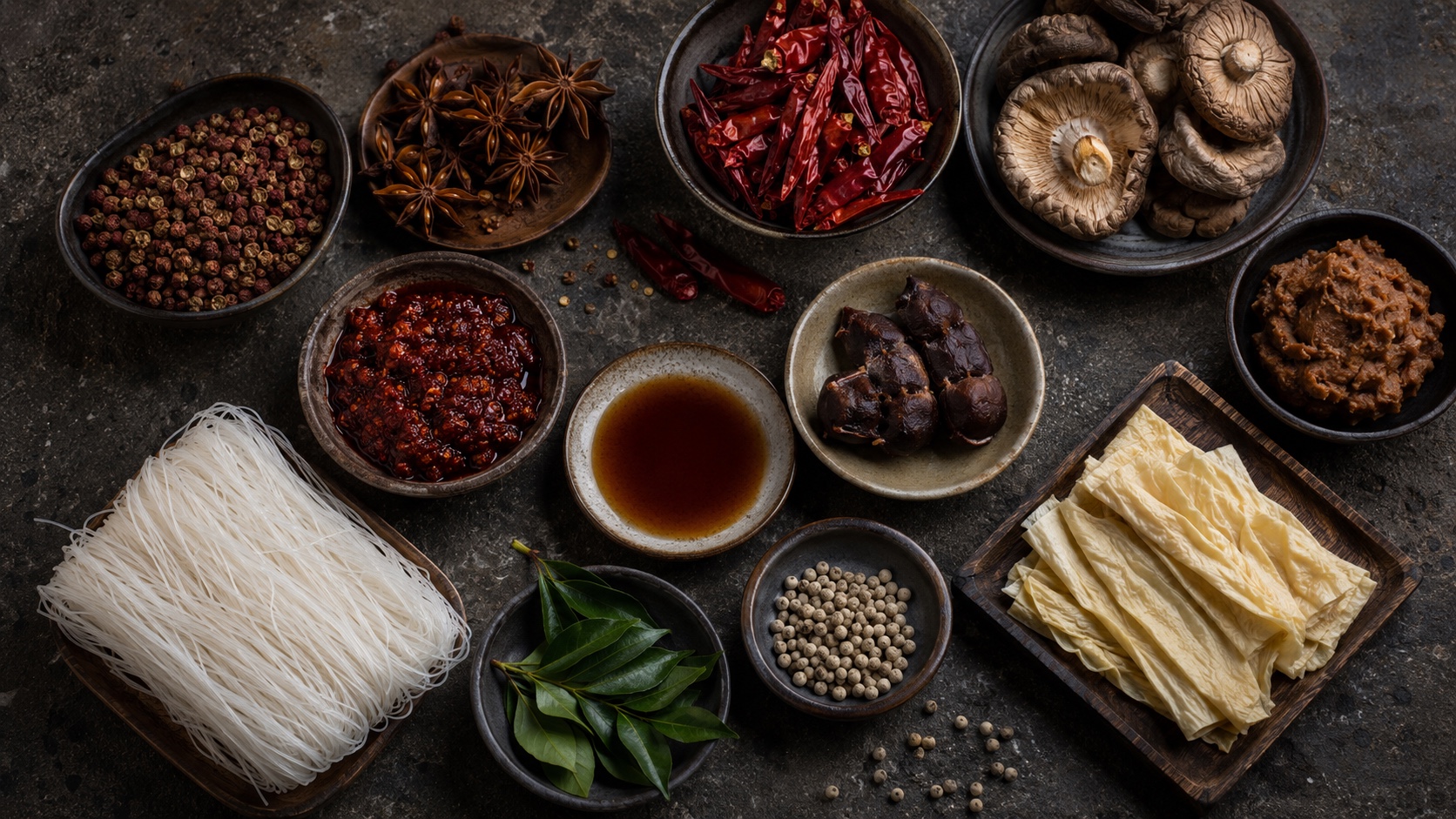
Short answer: Tofu and soy products live or die on shelf life and cold chain. Fix the product type, the exact spec and the shelf-life claim in writing before you discuss price — those three decide whether the shipment arrives sellable.
Tofu and soy products are a fast-growing category in the global plant-based market — and one where sourcing details matter a lot. Here’s what to check before you import.
Know your product type
“Tofu” covers a wide range, and each has different handling needs:
- Fresh / silken / firm tofu — chilled, short shelf life, careful cold-chain.
- Dried tofu skin (yuba / beancurd sheet) — dry, long shelf life, light to ship, popular for export.
- Fried / marinated / seasoned tofu — value-added, check additives and seasonings.
- Fermented soy products — regulatory and labeling nuances by market.
Dried and shelf-stable soy products are often the easiest first import — lower cold-chain risk, longer shelf life.
What to nail down on the spec
- Net weight and format (sheets, blocks, strips) and pieces per pack.
- Ingredients and additives — especially preservatives and seasonings, which affect market compliance.
- Shelf life and storage — ambient, chilled, or frozen.
- Moisture and protein content for dried products — this drives both quality and price.
- Packaging — retail-ready vs bulk, and whether labeling meets your market.
Certifications to ask for
HACCP / ISO 22000 / FSSC 22000 as a baseline; HALAL and Non-GMO are frequent must-haves for soy, and organic if you’re targeting that segment. Confirm each is current and issued to the manufacturer.
Watch-outs
- GMO status — soy is a common GMO crop; buyers targeting Non-GMO or organic markets must verify.
- Allergen labeling — soy is a major allergen; labeling requirements vary by market.
- Shelf-life claims — get them in writing and validate against a real production batch.
Sourcing it with less risk
The hard part isn’t finding “a tofu supplier” — it’s finding a verified manufacturer with current certifications and specs you can trust. Woklane brings verified tofu and soy manufacturers together, with certifications recorded and products described in clear specs — so you compare real options instead of chasing leads.
Find verified tofu & soy suppliers on Woklane.
Key takeaways
- “Tofu” covers very different products — fresh, dried bean curd, tofu skin (yuba), fried puffs — with completely different handling and shelf lives.
- Shelf life is the number that decides your logistics. Get it stated in writing, with the storage condition it assumes.
- Soy is a major allergen in most markets. Labeling and declaration requirements are not optional.
- Ask whether the soybeans are GMO or non-GMO, and whether the supplier can document it — some markets and retailers require the answer.
- Cold-chain breaks are the usual failure mode for fresh and frozen soy products, and they show up as spoilage on arrival, not as a factory defect.
Related reading
- how to keep the cold chain intact on frozen shipments
- the same checks applied to noodles and rice products
Woklane records specs, shelf life and certifications for every verified soy manufacturer, so you compare like for like instead of piecing it together across emails. Tell us what you’re sourcing and we’ll match you with factories that can hold your spec.
Sourcing this category: OEM / Private Label →
This guide is general orientation, not legal or regulatory advice. Import requirements change and differ by market — always confirm with the competent authority or your customs broker for the destination market before acting.
Leave a Reply