
Short answer: Korean food is one of the strongest growth categories in Western retail, led by gochujang, kimchi, Korean BBQ sauces, ramyun, and frozen K-food. Sourcing it well means the same fundamentals as any Asian category — verified factories, valid certifications, and correct labeling — plus two Korean specifics: fermentation consistency (kimchi and gochujang are living products) and, for many lines, cold-chain handling. Verify to L2 before samples and L3 before you build a brand on a supplier.
The “K-wave” has moved Korean food from specialty aisles into mainstream retail. For importers, that is opportunity — if you source the category’s quirks correctly. Here is how.
What is selling
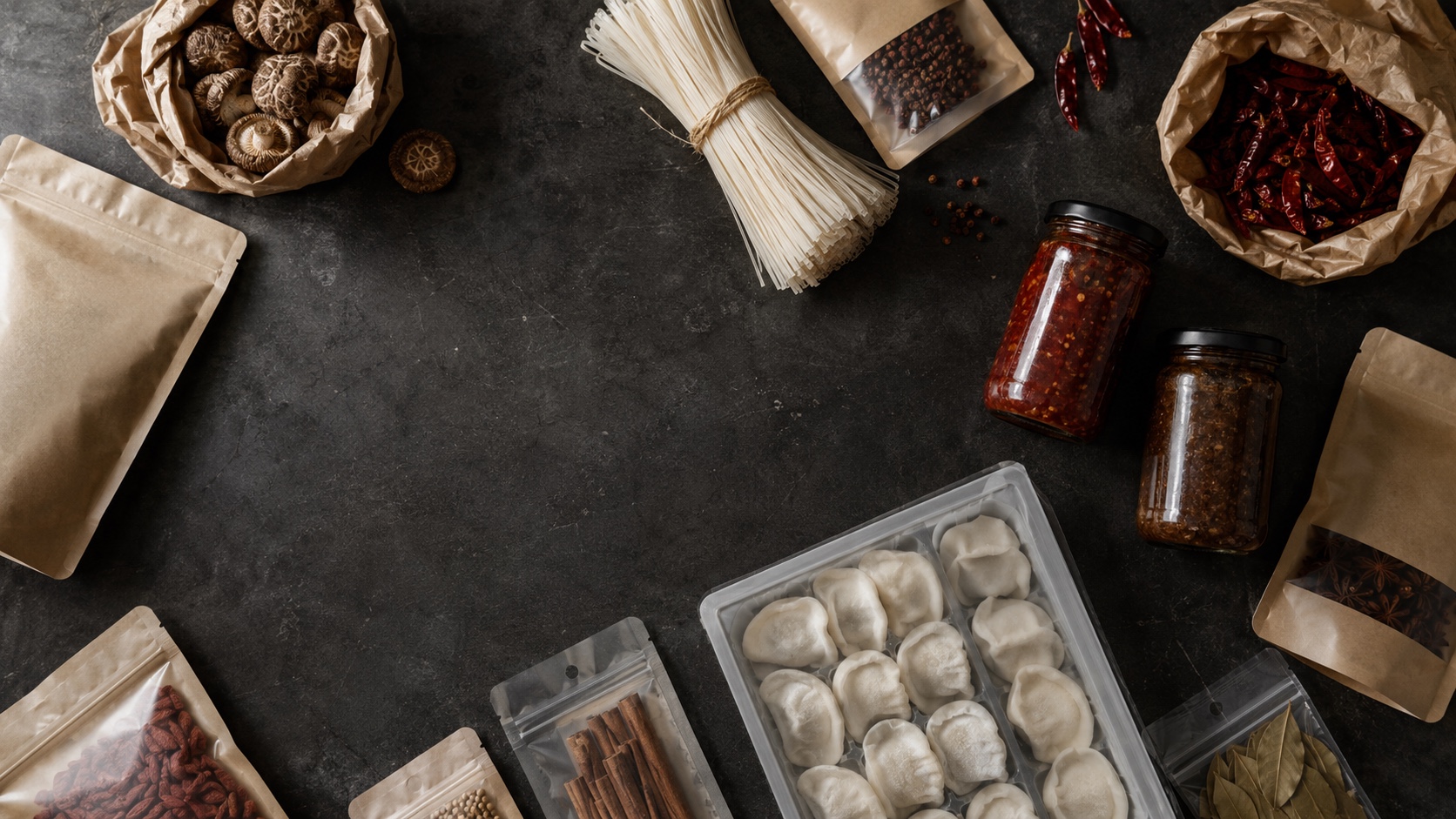
The strongest Korean lines in Western retail are gochujang and Korean sauces (BBQ, bulgogi marinades), kimchi and fermented vegetables, ramyun and instant noodles, frozen K-food (dumplings, mandu, corn dogs, tteokbokki), and Korean snacks. Sauces and instant noodles are the easiest entry (shelf-stable, high margin); kimchi and frozen items add handling complexity but strong differentiation.
The Korean specifics: fermentation and cold chain
Kimchi and gochujang are fermented, living products — flavor, acidity, and gas production change over time, so shelf life, packaging (venting, pressure), and batch consistency matter more than in a static sauce. Confirm how the factory controls fermentation and stabilizes the product. Frozen K-food needs genuine IQF and unbroken cold chain, like any frozen category.
Certifications and labeling
Confirm valid, market-appropriate food-safety certification (HACCP, ISO 22000, or BRCGS for UK/EU retail), and get allergen labeling right — soy, wheat, sesame, fish, and shellfish are common in Korean products. As always, the importer of record carries labeling responsibility for the destination market.
Sourcing checklist
- Verify the factory — L2 for certifications before samples, L3 before an exclusive.
- Fermented lines — confirm fermentation control, tested shelf life, and appropriate packaging.
- Frozen lines — genuine IQF and cold chain.
- Labeling — accurate allergens and ingredient list for your market.
- Consistency — test production samples; K-food reorders fast once a listing lands.
Woklane connects buyers with verified Korean food manufacturers — sauces, kimchi, frozen, and snacks. Read: Sourcing Asian Sauces (OEM vs Private Label) · Factory Verification Explained · request a quote.
Key takeaways
- K-food has moved from the specialty aisle into mainstream retail — the category reorders fast once a listing lands.
- Sauces and ramyun are the easiest entry (shelf-stable, high margin); kimchi and frozen lines are harder but differentiate you more.
- Kimchi and gochujang are living products — fermentation control, tested shelf life and vented packaging matter more than in a static sauce.
- Korean products are allergen-dense — soy, wheat, sesame, fish and shellfish are common; labeling responsibility sits with the importer.
- Verify L2 before samples, L3 before you build a brand on one supplier.
Related reading
Sourcing this category: Sauces & Condiments →
This guide is general orientation, not legal or regulatory advice. Import requirements change and differ by market — always confirm with the competent authority or your customs broker for the destination market before acting.
Leave a Reply